Radio astronomy · University of Cologne

Christof
Buchbender

CCAT Data Center Manager, I. Physikalisches Institut, University of Cologne.

I am a radio astronomer and, since 2022, the manager of the CCAT data center at the I. Physikalisches Institut of the University of Cologne. For most of my career I worked close to the instruments and to the data they produce — at ground-based observatories (IRAM 30m, NANTEN2 and CCAT), on an airborne one (SOFIA), and now in the design and operation of a data center for the CCAT observatory currently being built. My research interest is in the interstellar medium and star formation in nearby galaxies, and I am particularly interested in the role of molecular gas in these processes.

Field
Radio astronomy
Position
CCAT Data Center Manager
Institute
I. Physikalisches Institut, U Cologne
PhD
U Granada / IRAM, 2013
Based in
Köln, Germany
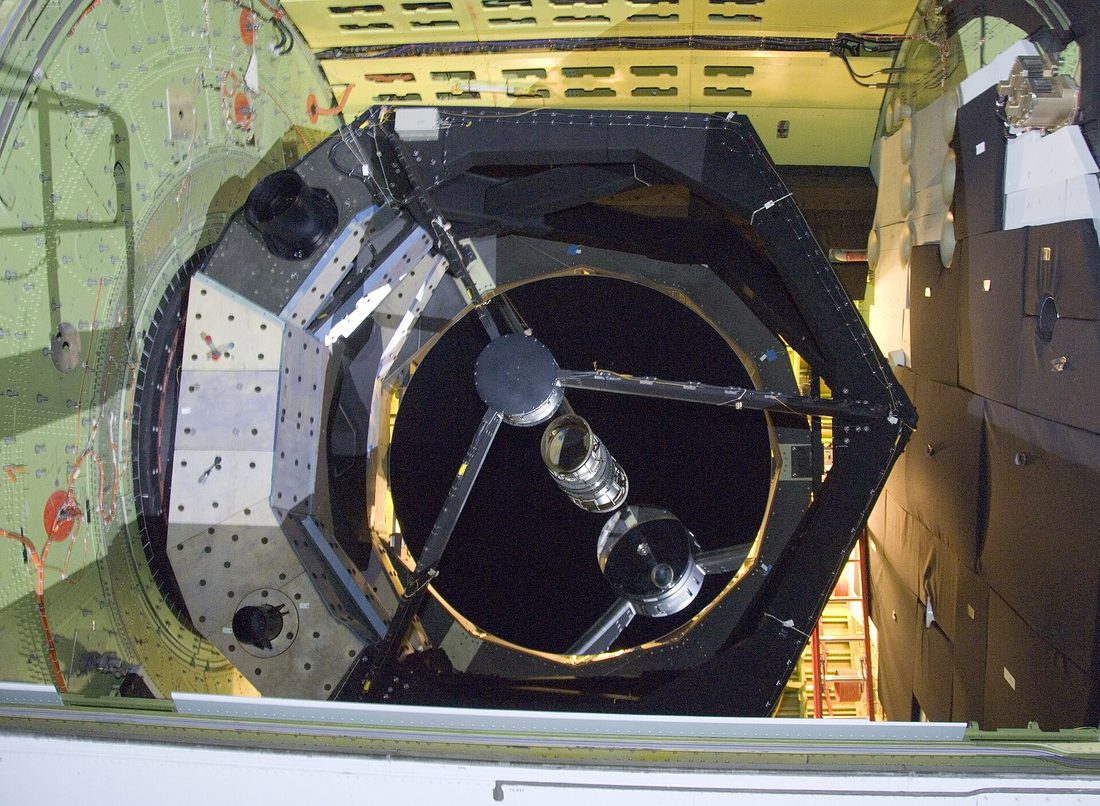
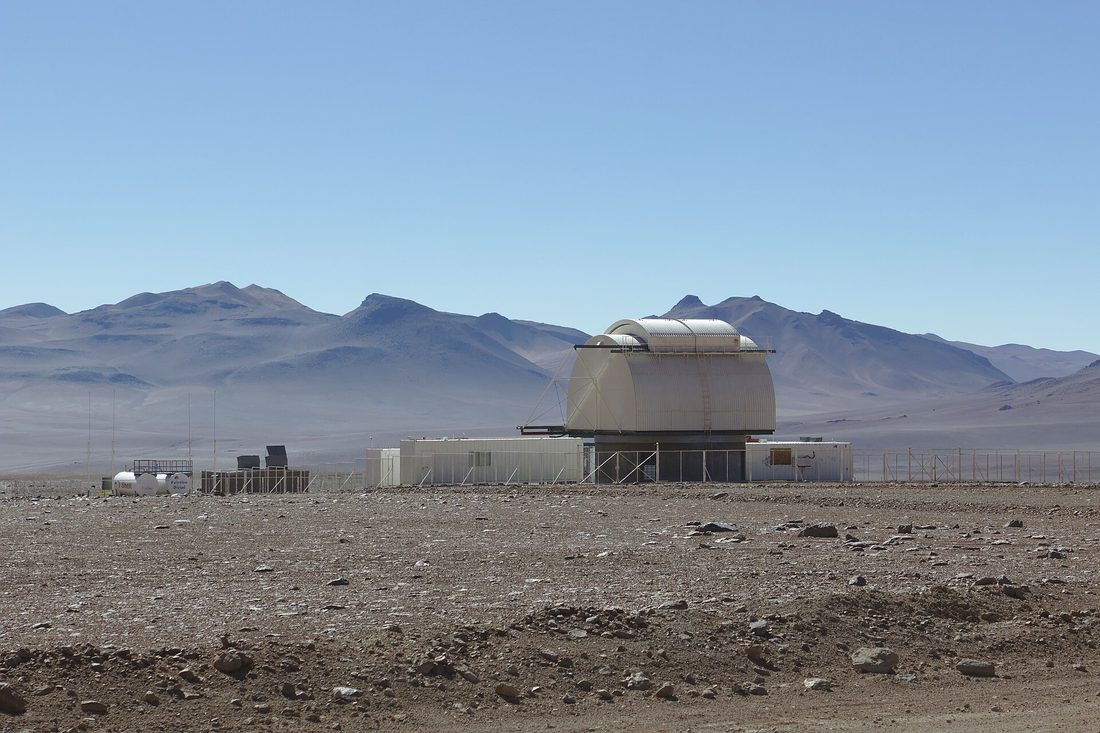
The SOFIA airborne observatory's 2.5-metre telescope looking out of the Boeing 747SP. The NANTEN2 submillimetre telescope in the Atacama Desert, Chile. The Chajnantor plateau in the Atacama, the high-altitude site of the FYST telescope.
SOFIA · NASA / Tom Tschida (public domain)

Profile

ISM and Nearby Galaxies, Operations and data, close to the instrument and observatory.

I am a radio astronomer by training and, since 2022, the manager of the CCAT data center at the I. Physikalisches Institut of the University of Cologne. Over the last two decades my work has stayed close to instruments and to the data, rather than to a single science case alone.

I did my Diplom at the University of Bonn and the Max-Planck-Institut für Radioastronomie (MPIfR), with a multi-wavelength study of the spiral galaxy NGC 3627. My PhD I did in Granada at the IRAM 30m, where I also served as Astronomer on Duty, and investigated dense gas of of the nearby Galaxy M33. Afterwards I worked in Cologne with the NANTEN2 telescope in the Atacama, on the GREAT instrument aboard the airborne observatory SOFIA,and now on the data center for the FYST telescope of the CCAT observatory.

What connects these stations is operations and data: how a telescope is run, how its raw signals are calibrated and archived, and how, in the end, a result that one can actually publish is produced from them — which is also the part of the work that I enjoy the most.

Research areas

ISM · galaxies

Interstellar medium & nearby galaxies

Star formation and the molecular and atomic gas in galactic disks, including the conversion factors (X_CO, dust-to-gas) that are needed to measure the gas content reliably across a galaxy — the subject of my thesis work on NGC 3627.

IRAM 30m · NANTEN2 · SOFIA · FYST

Observatory operations

Operation of single-dish (sub-)millimetre telescopes: Astronomer on Duty at the IRAM 30m, remote and high-altitude operation of NANTEN2 and FYST in the Atacama, and observing during flight on SOFIA.

EMIR · SMART · GREAT · CHAI · HIFI

Heterodyne instrumentation

Work with heterodyne receiver systems — the EMIR and HERA recievers at the 30m, the Cologne SMART receiver on NANTEN2 and the GREAT receiver on SOFIA — from contributing to commissioning and observing to the calibration and reduction of the resulting data. Improving the data quality and enabling science

HPC · pipelines · archives

Data centers & scientific computing

Design and operation of archives, calibration and processing pipelines, and an HPC-based data center that turns raw instrument data into science-ready data products and distributes them to the community.

Expertise

Radio / (sub-)mm astronomy Heterodyne Obsevations Single-dish observing Astronomer on Duty Data archives Calibration & processing pipelines HPC / data center operation Data releases & distribution Compute infrastructure Remote observations

Technical toolkit

Programming & data
Python · C++ · SQL · JavaScript · Bash · PostgreSQL · Redis · InfluxDB · HDF5 · S3
Web
FastAPI · Flask · Django · Vue.js · Bootstrap · HTML · CSS · d3
Scientific computing
NumPy · Pandas · scikit-learn · PyTorch · HPC / SLURM · Snakemake · Pegasus
Infrastructure
Docker · Apptainer · Kubernetes · CI/CD (GitHub Actions, Jenkins, Ansible) · Grafana · ELK · Prometheus · Loki
Astrophysics
Astropy · GILDAS · MIRIAD · CASA
Data management
FAIR principles · scientific pipelines · FITS · HDF5 · Parquet · Zarr

Languages

German — Native English — Fluent Spanish — Fluent

Teaching, funding & team

For the record

2014 — now

Teaching & supervision

Tutorials in astrophysics, experimental physics and data analysis since 2014, and co-supervision of PhD students since 2015.

2024 — 2028

GREAT Support (DLR)

Principal Investigator. Third-party funding of €441,000 from the DLR for GREAT support.

2022 — now

CCAT Data Center team

Team lead

Experience

Twenty years between telescope and data.

Operations, instrumentation and data systems across four observatories and an airborne one — from the IRAM 30m and NANTEN2 to GREAT on SOFIA and the CCAT data center.

2022 — nowFYST · Prime-Cam · CHAI

CCAT Data Center Management

I. Physikalisches Institut, University of Cologne

I am responsible for the implementation of a data center that archives and processes the data taken by the Prime-Cam and CHAI instruments on the FYST telescope of the CCAT observatory. It is located at the Regional Computing Center of the University of Cologne. The center archives the raw instrument data, creates science-ready data products and distributes them to scientists; the overarching goal is a fast turnaround from observation to publication.
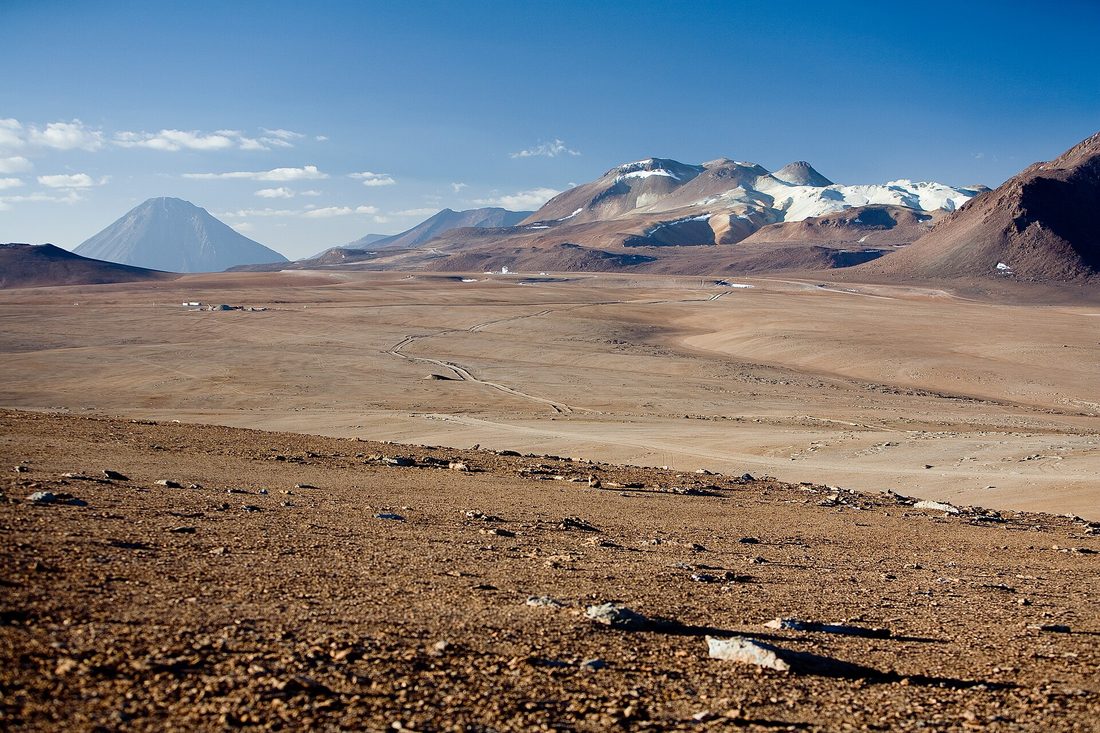
The Chajnantor plateau in the Atacama at about 5,100 m — the high-altitude site of the FYST telescope — with the APEX dish and the ALMA array.
Chajnantor site · ESO/H.H. Heyer (CC BY 4.0)
2015 — 2022SOFIA · GREAT

Managing GREAT data

I. Physikalisches Institut, University of Cologne

As part of the GREAT team I was responsible for the computing infrastructure used to run the GREAT observations on SOFIA. I managed the data backup pipeline and designed an archive that allows one to browse, interactively calibrate and download the data; it also offered an automatic and interactive in-flight log system and the function to create data releases. As a member of the team I participated in many SOFIA flights, in which I observed and reduced data during the flight.

The 2.5-metre infrared telescope of SOFIA peering from its cavity in the Boeing 747SP during night-time line operations testing.
NASA / Tom Tschida (public domain)
2015 — 2017Atacama · SMART receiver

NANTEN2 team

I. Physikalisches Institut, University of Cologne

Within the SMART/NANTEN2 project, Cologne contributed to the operation of the NANTEN2 telescope in Chile’s Atacama Desert by deploying the Cologne SMART receiver. Unlike the more institutionalised setting of the IRAM 30m, NANTEN2 was a hands-on experience that taught me a good deal about telescope operations and remote management under high-altitude conditions.

The NANTEN2 submillimetre telescope at its site in the Atacama Desert, Chile.
Matthew Petroff (CC BY-SA 4.0)
2009 — 2013PhD · IRAM 30m

Astronomer on Duty — IRAM 30m

Instituto de Radioastronomía Milimétrica, Granada

During my PhD in Granada I served as Astronomer on Duty at the IRAM 30m telescope, which required one week per month at the observatory as the primary contact for visiting astronomers. I assisted with observing strategies, carried out maintenance observations and coordinated between the receiver, backend and computing groups — an in-depth view of what running a radio telescope involves.

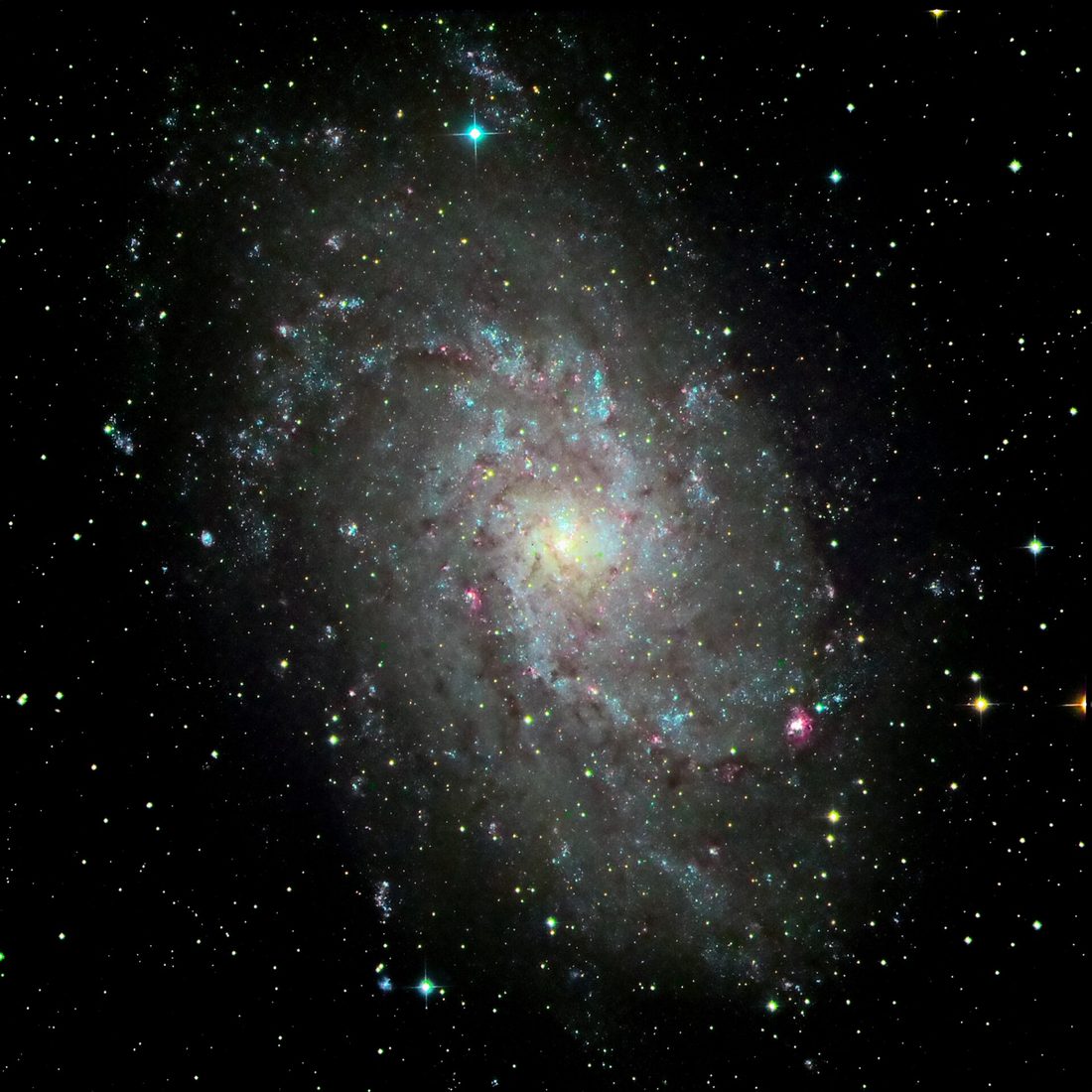
The Triangulum galaxy (Messier 33), a large face-on nearby spiral and a classic IRAM 30m target.
M33 · John M. Haynes (CC BY 4.0)
2007 — 2009NGC 3627

Diplom thesis / Student Assistant

Max-Planck-Institut für Radioastronomie, Bonn

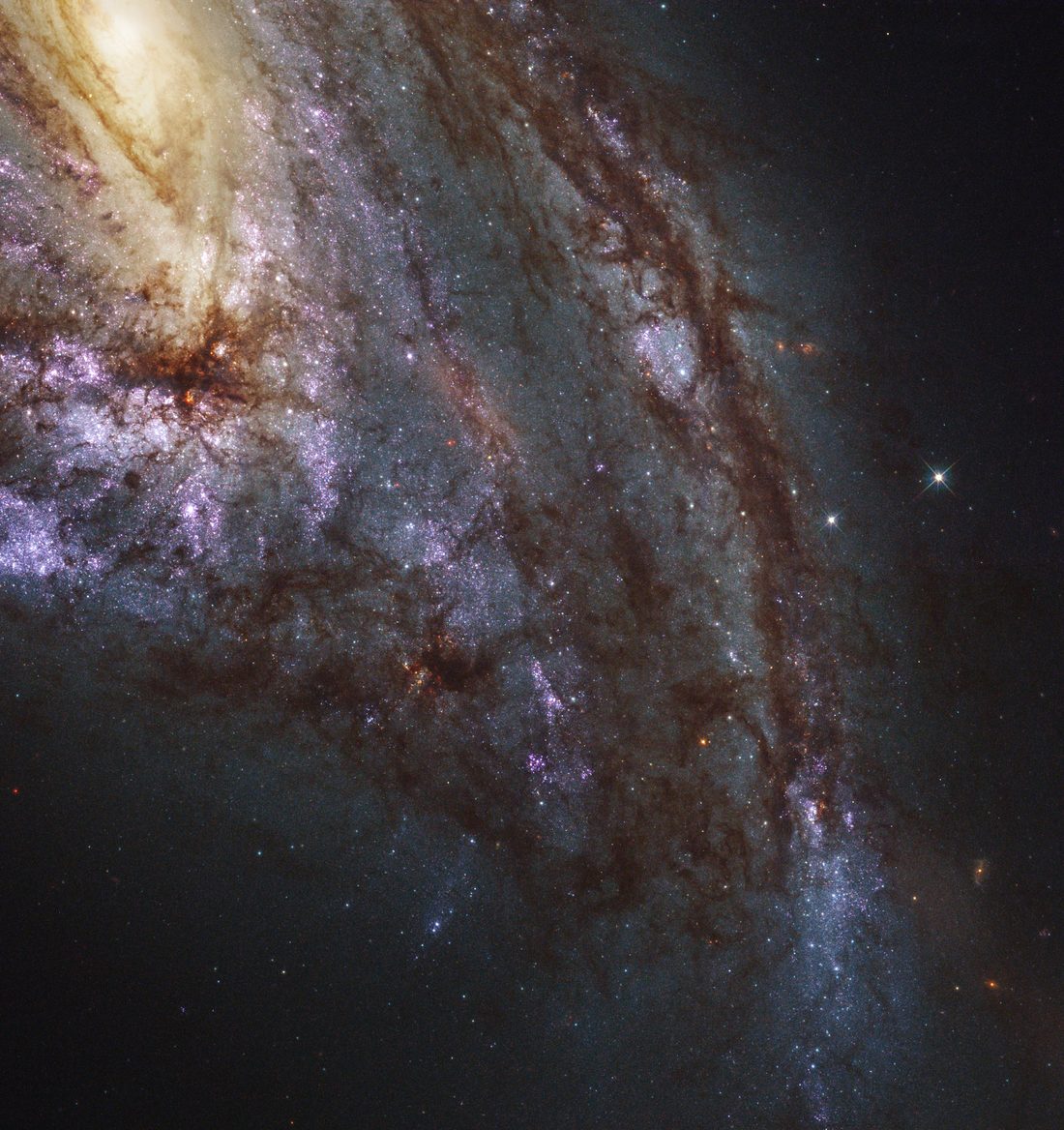
I wrote my Diplom thesis at the MPIfR in Bonn — a multi-wavelength study of the spiral galaxy NGC 3627. The thesis shows that a variable X_CO conversion factor, as well as a variable dust-to-gas ratio, has to be taken into account when one wants to estimate atomic and molecular gas content accurately over the extent of a galactic disk.

The spiral galaxy NGC 3627 (Messier 66), the subject of my Diplom thesis, imaged by the Hubble Space Telescope.
NGC 3627 · Hubble / NASA, ESA, LEGUS team (public domain)

Education

Bonn & Granada

May 2009 — Dec 2013

PhD in Physics

University of Granada / IRAM
Aug 2002 — May 2009

Diplom-Physiker (equivalent to MSc)

University of Bonn

Publications

Selected work.

A hand-picked selection is in preparation — the full, always-current list is on ADS.

Contact

Get in touch.

For questions on CCAT data, collaborations, or my work in general.

Find me
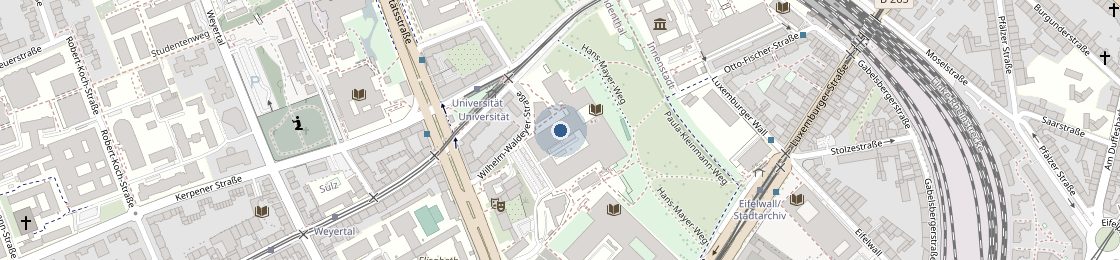
I. Physikalisches Institut
University of Cologne
Zülpicher Straße 77
50937 Köln
Germany
Map of the area around Zülpicher Straße 77 in Köln, with the institute marked.